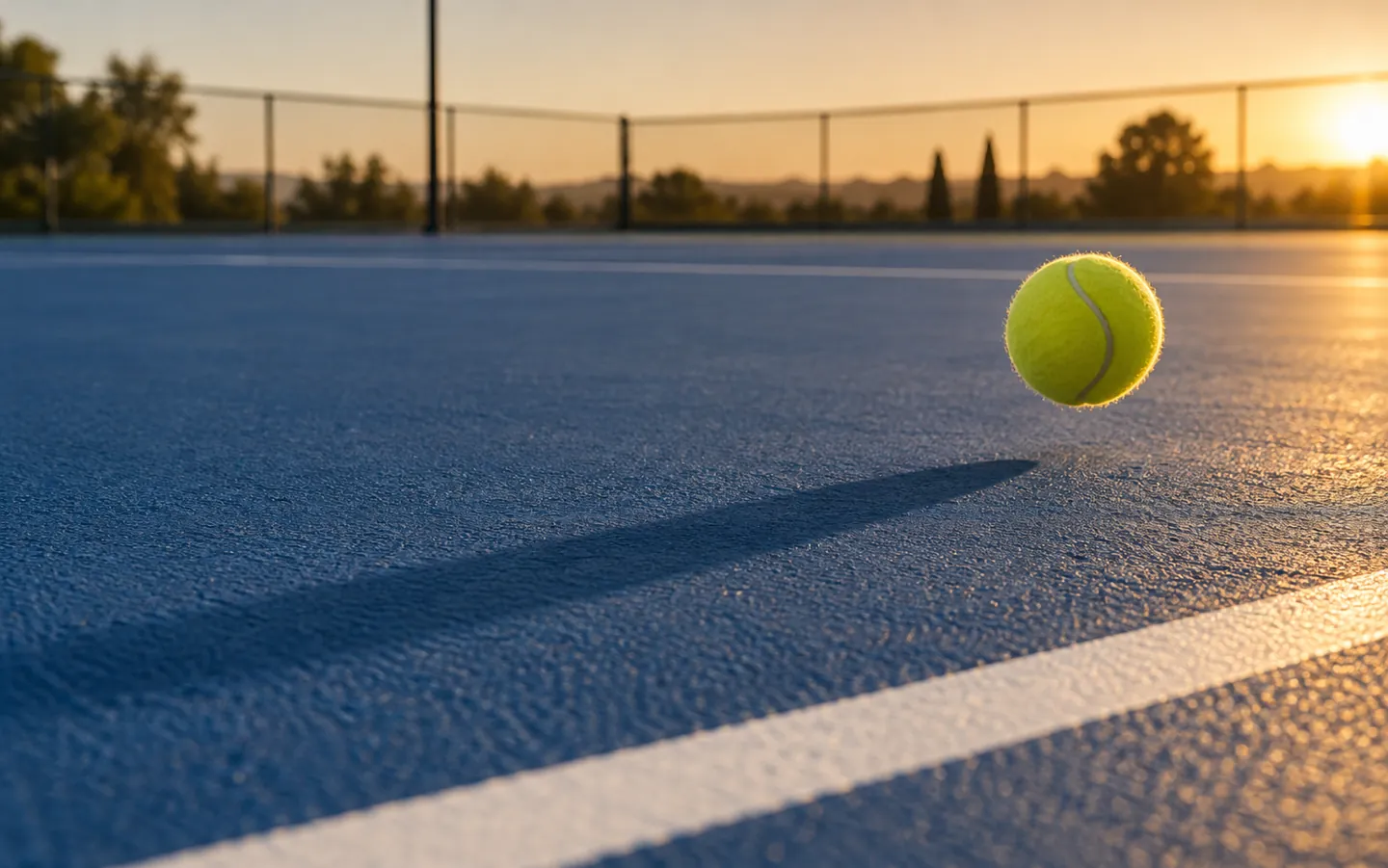
Every bounce squashes the ball and turns some of its energy into heat. Sports rules decide how much bounce is allowed, and they test it by dropping the ball from a fixed height.
Pick a ball to see the rebound its rules require. Tennis balls are dropped from 254 cm; squash balls are tested from the same height and given as a percentage. The bar shows how bouncy each ball must be.
Figures from the ITF Rules of Tennis 2026 (Appendix I) and the World Squash ball specification.
TWO NUMBERS WORTH KNOWING
A century-old drop, a ball that likes heat.
One figure from the tennis lab, one from the squash specification.
254 cm
Height of the rebound drop test
The ITF says the rule on how a tennis ball should bounce was set in 1925 and is still used today: drop the ball from 254 cm (100 inches) and measure the rebound.
TENNIS · ITF
25–30%
Competition ball rebound at 45°C
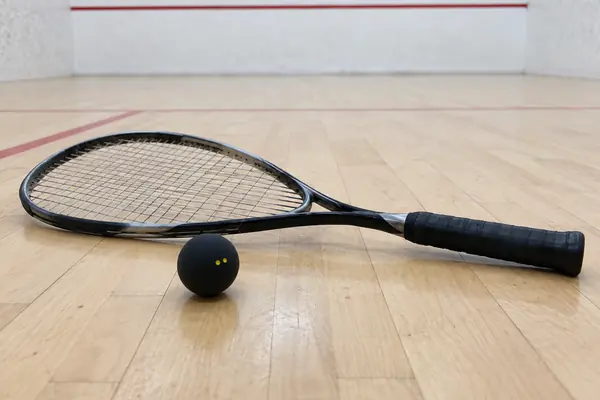
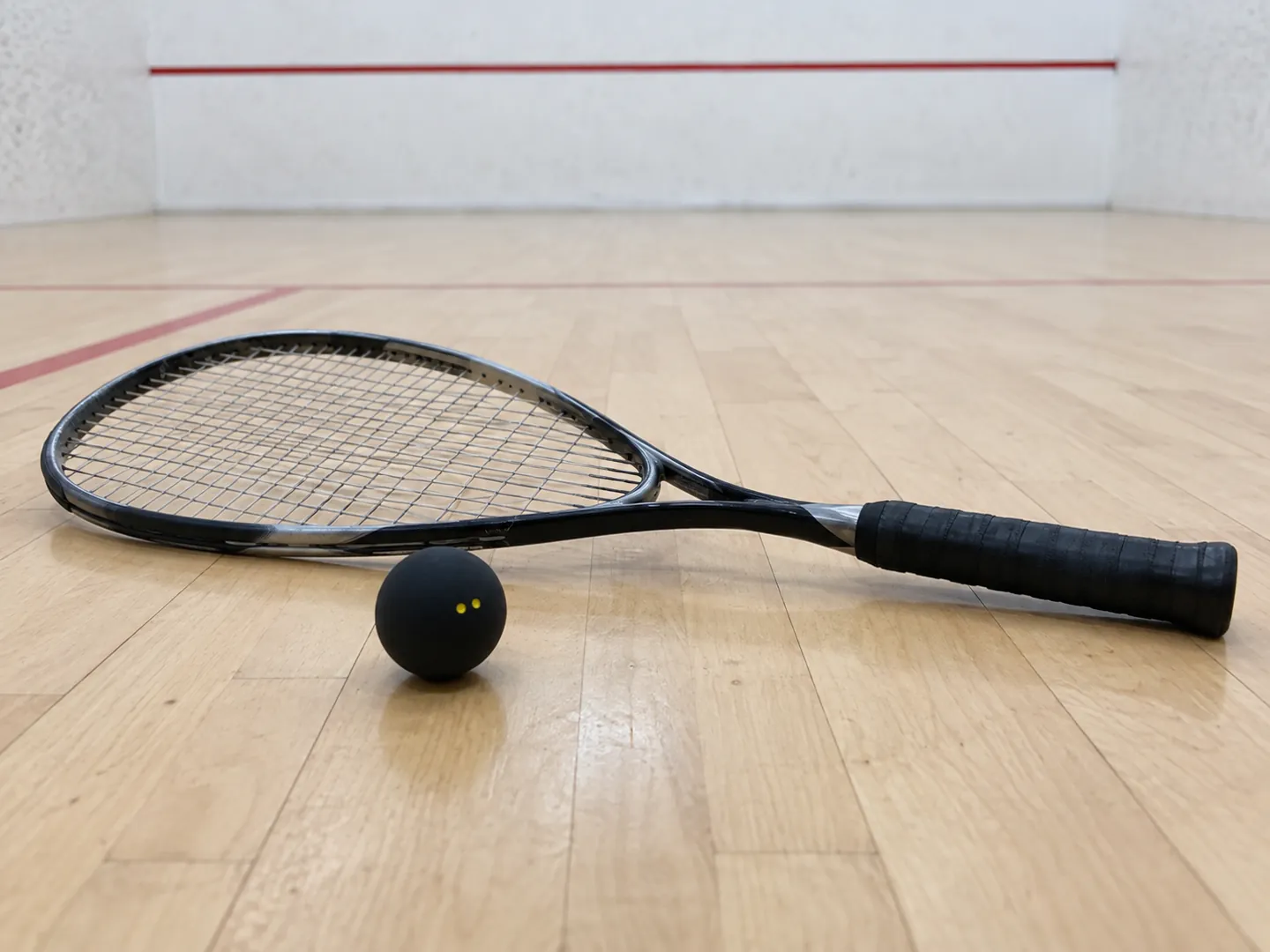
At 23°C the double yellow dot ball must manage only a 12% minimum rebound resilience. Warm to 45°C, it must reach 25 to 30%.
SQUASH · WORLD SQUASH
The ITF acclimatises balls for 24 hours at 20 ± 2°C and 60 ± 5% relative humidity before testing, because temperature and humidity change how a ball behaves.
A KITCHEN-FLOOR DROP TEST
Measure bounce like a lab.
A university physics activity measures bounce with a ball, a metre stick and a one-metre drop. You can do the same on a hard floor.
Drop from one metre
Hold the bottom of the ball at 1 m above a hard floor and let it go without pushing.
Watch the peak
Note how high the bottom of the ball rises on its first bounce. Repeat a few times and take an average.
Work out the bounce
Divide the bounce height by the drop height, then take the square root. That gives the coefficient of restitution.
Compare balls
Try different balls, or the same ball warm and cold, and see which keeps more of its energy.
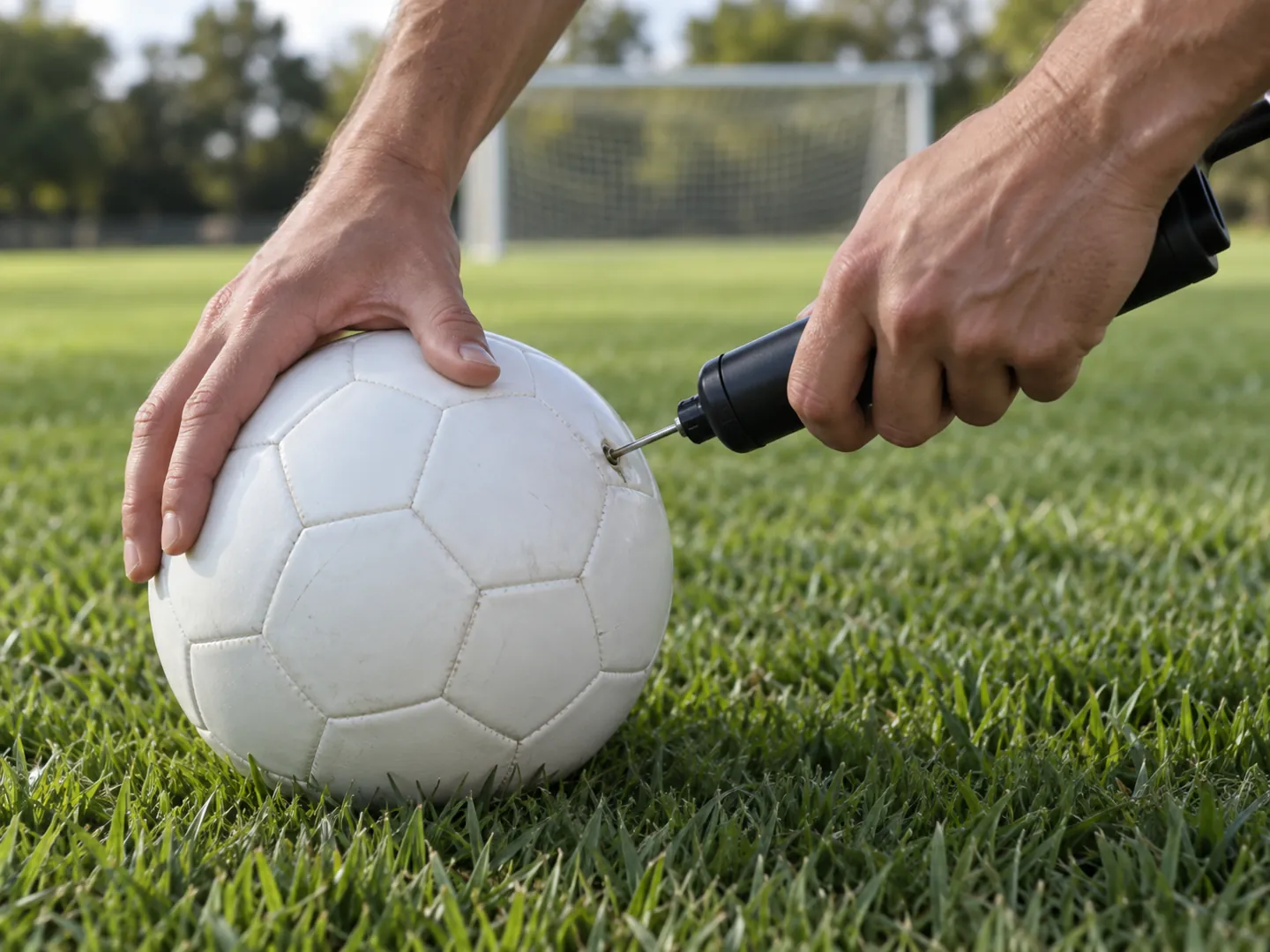
AI-generated image, not a photograph of a real person or place.AI-generated image, not a photograph of a real person or place.
WHERE THE ENERGY GOES
Every bounce is a little lower.
When a ball hits the floor it deforms, and part of its energy turns into heat. If it keeps a fraction f of its energy, a drop from height h comes back to f×h, then f×f×h, and so on.
That heat is why squash balls get bouncier during a game: the air inside builds pressure or the rubber becomes more flexible. Some solid materials behave the other way and bounce less when hot.
Questions
Questions people ask
Why does a ball never bounce back to where I dropped it?
Each bounce squashes the ball and turns some of its kinetic energy into heat. Even a very bouncy ball loses a little energy every time, so each bounce is lower than the last.
How high should a tennis ball bounce?
Under the ITF Rules of Tennis, a standard Type 2 ball dropped from 254 cm onto a hard surface must rebound between 135 and 147 cm. Fast Type 1 balls may rebound between 138 and 151 cm.
Why do squash players warm the ball up?
Squash balls bounce far better when warm. A competition ball needs only 12% rebound resilience at 23°C but 25 to 30% at 45°C, so players warm it up before play.
What is the coefficient of restitution?
It is the speed a ball leaves a surface divided by the speed it arrived. From a drop test you can estimate it as the square root of bounce height divided by drop height.
Do tennis balls bounce differently at altitude?
Yes. The ITF sets a separate high-altitude ball for play above 1,219 m, with a lower rebound range of 122 to 135 cm from the same 254 cm drop.